
Have you ever walked into a room and immediately felt inspired to create something? Perhaps it was a beautifully arranged desk, a collection of interesting artwork, or a cozy corner filled with books and creative accessories.
Your surroundings can influence how you think, feel, and work. A thoughtfully designed creative space can encourage new ideas, help you stay focused, and make everyday activities more enjoyable.
The good news is that you don’t need a large studio or an expensive renovation to create an inspiring environment. With a little imagination, some personal touches, and carefully selected accessories, you can transform an ordinary corner of your home into a place where creativity comes naturally.
Whether you enjoy writing, drawing, photography, music, or simply exploring new ideas, here are practical ways to create a creative space that reflects your personality.
1. Choose a Space That Makes You Feel Inspired
The first step is finding the right location.
You don’t necessarily need an entire room. A small corner in your bedroom, a quiet section of your living room, or an unused area near a window can become your personal creative space.
Look for a location that offers:
- Enough room for your creative activities.
- Comfortable seating and a suitable work surface.
- Access to natural light, if possible.
- Minimal distractions.
- Enough space to organize your supplies.
Think about how you want to use the area. A writer may need a quiet desk, while an artist might prefer a larger surface for drawing and painting.
The best creative space is one that supports the activities you enjoy.
2. Add a Touch of Vintage Style
Vintage-inspired design can give a creative workspace a sense of character and personality.
Classic objects often have distinctive shapes, textures, and details that make a room feel more interesting. Combining vintage-inspired accessories with modern furniture can create a balanced look that feels both stylish and comfortable.
Consider adding:
- A vintage-style typewriter.
- Classic wooden furniture.
- Retro glassware.
- Monochrome photography.
- Decorative objects with timeless designs.
A vintage typewriter, for example, can become an attractive focal point on a desk or shelf. Even if you primarily write on a computer, classic accessories can help create an atmosphere that encourages creativity.
The goal isn’t to make everything look old-fashioned. Instead, choose a few pieces that reflect your personal taste.
3. Use Artwork to Express Your Personality
Art is one of the easiest ways to make a space feel personal.
A blank wall can become an inspiring feature with carefully selected artwork, photography, or creative prints.
Black-and-white photography is particularly versatile because it can complement many interior styles. It works well in minimalist spaces, vintage-inspired rooms, and modern creative studios.
Here are some ideas for displaying artwork:
Create a Gallery Wall
Combine different photographs, illustrations, and prints to create a personal gallery. Try arranging them on the floor before hanging anything so you can experiment with different layouts.
Display One Statement Piece
If you prefer a simpler look, choose one artwork or photograph that immediately catches your attention.
Rotate Your Artwork
You don’t have to display the same pieces all year. Changing your artwork occasionally can give your creative corner a fresh appearance.
Choose images and artwork that make you feel curious, motivated, or relaxed.
4. Design a Comfortable and Functional Desk
If your creative activities involve writing, planning, drawing, or working on a computer, your desk will probably become the center of your space.
A good desk setup should be comfortable and practical rather than simply decorative.
Start with the essentials:
- A desk with enough working surface.
- A comfortable chair.
- Good task lighting.
- A notebook or planner.
- Storage for frequently used accessories.
Keep the items you use regularly within reach. Store less frequently used supplies in drawers or containers to prevent unnecessary clutter.
You can also add a few decorative objects, such as a small plant, framed photograph, or favorite collectible.
A well-organized desk makes it easier to begin working without spending time searching for things.
5. Create an Atmosphere That Encourages Creativity
A creative environment isn’t only about furniture and decorations. It is also about how the space makes you feel.
Lighting, sound, colors, and comfort can all contribute to the atmosphere.
Make the Most of Natural Light
Whenever possible, position your workspace near a window. Natural light can make a room feel more welcoming and pleasant.
For evening activities, choose a suitable desk lamp that provides enough light for reading, writing, or detailed work.
Choose Colors You Enjoy
Some people prefer neutral colors because they create a calm environment. Others enjoy brighter shades that make a space feel energetic.
There is no single correct color scheme. Choose colors that match your personality and the atmosphere you want to create.
Add Music to Your Routine
Music can make creative activities more enjoyable. Some people prefer instrumental music while working, while others enjoy listening to their favorite playlists.
A comfortable listening setup and a good pair of headphones can help create a more personal environment.
The important thing is to choose sounds that support your activity rather than distract you.
6. Keep Your Creative Tools Organized
A creative space should inspire you, not overwhelm you.
When supplies are scattered everywhere, it can become difficult to concentrate or find what you need.
Create simple storage systems for your materials.
For example:
- Keep notebooks together on a shelf.
- Store pens and pencils in containers.
- Organize art supplies by type.
- Keep electronic accessories in one location.
- Use trays for small everyday items.
Try to leave some open space on your desk. An uncluttered surface gives you room to work and makes the entire area feel more inviting.
Remember that organization doesn’t have to be complicated. Even a few simple storage habits can make a significant difference.
7. Bring Your Interests Into the Space
One of the best ways to make a creative corner inspiring is to fill it with things you genuinely enjoy.
Think about the activities that interest you outside your everyday responsibilities.
If you love writing, display books, notebooks, or writing accessories. If you enjoy photography, create a small display of favorite images. If music is important to you, make room for headphones and other music-related accessories.
Your creative space should tell a story about who you are.
You might include:
- Books that inspire you.
- Travel photographs.
- Collectible objects.
- Favorite music accessories.
- Handmade decorations.
- Items connected to your hobbies.
Don’t worry about following every interior design trend. Personal details often make a space more interesting than a perfectly coordinated room.
8. Make Room for Comfort and Relaxation
Creativity doesn’t always happen when you’re sitting at a desk.
Sometimes, the best ideas come when you’re relaxing, listening to music, reading, or taking a break.
If space allows, create a small relaxation corner with comfortable seating.
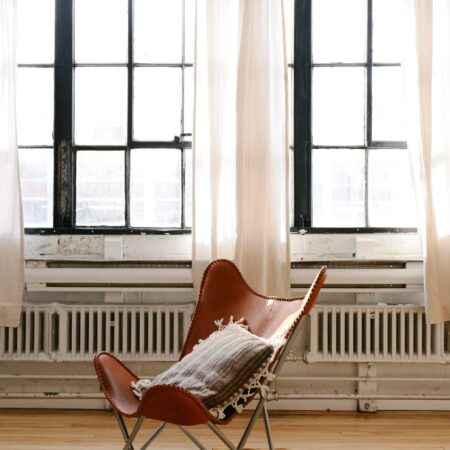
A stylish lounge chair can make the area more inviting. Add a cushion, a reading lamp, or a small table for your favorite drink.
This gives you a place to step away from your main workspace without leaving the creative environment entirely.
A comfortable setting can help you recharge and return to your projects with fresh energy.
9. Keep Your Space Flexible
Your interests and creative projects may change over time. Your workspace should be able to change with them.
Avoid filling every available surface with permanent decorations. Leave room for new projects, different tools, and changing interests.
For example:
- Use movable storage containers.
- Choose accessories that can serve different purposes.
- Keep decorative arrangements easy to update.
- Rearrange furniture when your needs change.
- Display current projects without permanently overcrowding the space.
A flexible workspace makes it easier to explore new hobbies and creative activities.
10. Make Creativity Part of Your Everyday Routine
Creating an inspiring environment is a great first step, but using it regularly is what makes it meaningful.
You don’t need to spend hours every day working on creative projects. Even a few minutes can help you build a habit.
Try these simple ideas:
- Write down one new idea every morning.
- Spend 15 minutes drawing or sketching.
- Read a few pages of an inspiring book.
- Take photographs of interesting everyday details.
- Listen to music while organizing your thoughts.
- Start a small project you’ve been postponing.
Don’t focus too much on producing something perfect. Give yourself permission to experiment, make mistakes, and enjoy the process.
Creativity grows when you make time for it.
Frequently Asked Questions
1. How can I create a creative space in a small room?
You can use a small desk, a wall-mounted shelf, and a few carefully chosen accessories. Focus on vertical storage and keep your working surface organized. Even a small corner can become a comfortable creative area.
2. What should I include in a creative workspace?
Start with a comfortable desk, suitable lighting, a chair, notebooks, and the tools you need for your hobbies. You can also include artwork, photographs, decorative accessories, and music equipment to make the space more personal.
3. How can vintage decor improve a creative space?
Vintage-inspired accessories can add character, visual interest, and a sense of personality. Items such as classic typewriters, retro glassware, and timeless furniture can help create a distinctive environment.
4. What colors are best for a creative workspace?
There is no universal best color. Neutral shades can create a calm environment, while brighter colors may make a space feel more energetic. Choose a combination that suits your preferences and the activities you enjoy.
5. How often should I reorganize my creative space?
You can make small adjustments whenever necessary. A quick weekly tidy-up and occasional rearrangement can help keep your workspace comfortable, organized, and inspiring.
Final Thoughts
Creating a space that inspires your imagination doesn’t require a large budget or a professional interior designer. It starts with understanding what makes you feel comfortable, curious, and motivated.
From vintage-inspired accessories and beautiful artwork to comfortable furniture and organized work surfaces, every detail can contribute to an environment that reflects your personality.
Most importantly, make your creative space your own. Let it evolve as your interests change, and use it as a place to explore ideas, develop hobbies, and enjoy the creative process.
At The Artistic Adventure, we appreciate the beauty of creativity, thoughtful design, and products that bring personality into everyday life. Explore our collection and discover pieces that can help make your surroundings feel more inspiring.
Find your inspiration. Express your style. Make every space your own.



0 Comments