
Color photography can capture attention with vibrant shades and striking combinations, but there is something uniquely powerful about a black-and-white image. Without color, the viewer is invited to notice details that might otherwise go unnoticed: the direction of light, the texture of a surface, the expression on someone’s face, or the relationship between shapes and shadows.
Black-and-white photography has remained popular across generations because it offers a simple yet expressive way to tell stories. It can feel nostalgic, dramatic, peaceful, or modern, depending on the subject and how the photograph is composed.
Whether displayed as part of your home decor or explored as a creative hobby, monochrome photography is an art form that never seems to lose its appeal. Let’s look at what makes it so special and how you can bring its timeless beauty into your everyday life.
1. Why Black and White Photography Never Goes Out of Style
Black-and-white photography has a long history, but its appeal is not limited to nostalgia. It continues to attract photographers, artists, and design enthusiasts because it focuses attention on the essentials of an image.
When color is removed, the viewer begins to notice other visual elements. A bright window against a dark room, the texture of an old building, or the outline of a person walking through a street can become the central feature of a photograph.
This simplicity makes monochrome images remarkably versatile. They can complement traditional interiors, contemporary spaces, minimalist rooms, and vintage-inspired settings.
Black and white also has a way of making an image feel timeless. While color trends can change, the contrast between light and dark remains visually compelling.
2. The Power of Light and Shadow
Light is one of the most important elements in photography, and it becomes especially noticeable in black-and-white images.
Without color to compete for attention, light and shadow help create depth, atmosphere, and visual interest. A photograph taken in soft morning light may feel calm and gentle, while strong sunlight can create dramatic shadows and bold shapes.
Here are a few ways light can influence a monochrome photograph:
- Soft light: Creates gentle transitions between highlights and shadows, making it useful for portraits and quiet scenes.
- Strong directional light: Produces defined shadows and contrast, adding drama to architecture and everyday objects.
- Backlighting: Creates silhouettes and emphasizes outlines.
- Window light: Can bring a natural, intimate quality to indoor photographs.
Experimenting with different lighting conditions is a simple way to discover how much mood can change within the same subject.
3. Contrast Makes Every Detail Count
Contrast refers to the difference between the lighter and darker areas of an image. It plays a major role in determining how a black-and-white photograph feels.
High-contrast images often have deep blacks and bright whites. They can appear bold, dramatic, and energetic. Low-contrast photographs contain more gradual tones, creating a softer and sometimes more reflective atmosphere.
Neither approach is automatically better. The right choice depends on the story you want the photograph to tell.
For example, a photograph of an architectural detail might benefit from strong contrast that emphasizes its lines and structure. A quiet portrait may feel more natural with softer tonal transitions.
When looking at monochrome photography, take a moment to notice where your eyes go first. Often, the brightest highlights and darkest shadows help guide your attention through the image.
4. Composition: Finding Beauty in Simple Things
A strong photograph does not always need an extraordinary subject. Sometimes, an ordinary object becomes interesting when it is framed thoughtfully.
Composition is the arrangement of elements within a photograph. In black and white, shapes, lines, patterns, and negative space become especially important.
Try these simple composition techniques:
- Look for leading lines: Roads, staircases, fences, and building edges can guide the viewer’s eyes.
- Explore symmetry: Balanced shapes and reflections can create a sense of order.
- Use negative space: Empty areas can make the main subject stand out.
- Notice patterns: Repeated windows, shadows, tiles, or natural textures can create rhythm.
- Try different angles: A familiar subject may look completely different from above, below, or from the side.
You do not need expensive equipment to practice composition. A smartphone camera is enough to begin noticing the visual details around you.
5. Different Subjects, Different Stories
One reason monochrome photography is so versatile is that it works with many different subjects. Each subject offers its own opportunities for storytelling.
Portraits
Black-and-white portraits often draw attention to facial expressions, gestures, and emotion. Without color, subtle details can become more prominent, helping the photograph feel personal and expressive.
Architecture
Buildings, bridges, staircases, and city streets are excellent subjects for monochrome photography. Their lines, shapes, and repeating patterns can create striking compositions.
Nature
Trees, mountains, flowers, clouds, and water can all look beautiful in black and white. Focus on texture, light, and the contrast between different natural forms.
Street Photography
Everyday city life offers countless moments worth capturing. People walking, bicycles leaning against walls, shopfronts, and changing shadows can all become part of a visual story.
Still Life
Simple objects can become surprisingly interesting when photographed carefully. Books, chairs, glassware, flowers, and everyday accessories offer opportunities to explore texture and shape.
6. How to Start Taking Black and White Photos
You do not need a professional camera or a complicated editing setup to get started. A smartphone can help you learn the basics and develop your own creative eye.
Try this beginner-friendly approach:
- Choose a simple subject. Start with an object, building, plant, or everyday scene.
- Pay attention to lighting. Notice how the subject changes when the light comes from different directions.
- Experiment with angles. Take several photographs from different viewpoints.
- Try monochrome mode. If your camera has a black-and-white setting, use it to preview how the scene looks without color.
- Compare your results. Look at which version has the clearest subject, most interesting shadows, and strongest composition.
- Edit gently. Adjust brightness, contrast, and shadows without losing important details.
Most importantly, keep experimenting. Photography improves through observation and practice, not simply through having better equipment.
7. Bringing Black and White Photography Into Your Home
Monochrome photography is not only enjoyable to create; it can also become an important part of your interior style.
A black-and-white image can introduce visual interest without making a room feel too busy. It works particularly well in spaces where you want a balanced, understated look.
Consider these decorating ideas:
- Create a gallery wall: Combine several monochrome images to build a coordinated display.
- Make one image the focal point: A striking black-and-white piece can become a visual feature in a living room or hallway.
- Mix old and new: Pair monochrome imagery with contemporary furniture or vintage-inspired accessories.
- Use neutral surroundings: White, cream, grey, and natural tones can help a monochrome display feel cohesive.
- Keep the arrangement balanced: Give each image enough space to be appreciated.
If you enjoy this style, explore the Black and White piece from The Artistic Adventure. It offers a way to bring the appeal of monochrome aesthetics into your creative living space.
You can also browse the The Artistic Adventure shop for more inspiration.
8. Pairing Monochrome Art With Vintage Style
Black-and-white photography naturally complements vintage-inspired interiors. Its classic appearance can bring together different design elements, from traditional furniture to modern accessories.
Imagine a thoughtfully arranged corner with a comfortable chair, a small table, and monochrome artwork nearby. A vintage-inspired object, such as a typewriter, can add another layer of character and creative atmosphere.
The key is to avoid making the room feel overly coordinated. Mix textures, shapes, and styles so that the space feels personal rather than like a showroom.
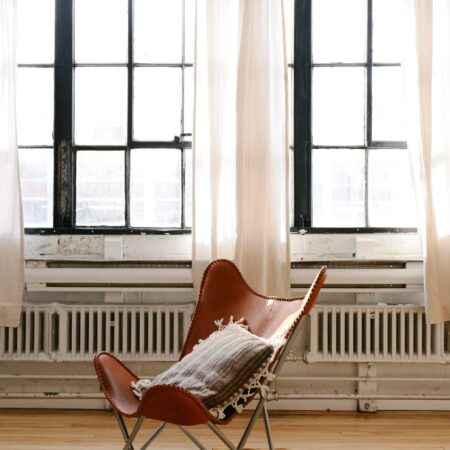
For more inspiration, explore the Vintage Typewriter and Leather-Clad Leisure Chair from The Artistic Adventure.
9. Why Monochrome Art Encourages Creative Thinking
Black-and-white photography encourages us to slow down and observe. Instead of immediately noticing a bright color or decorative detail, we begin looking at structure, light, contrast, and emotion.
This way of seeing can influence creativity beyond photography. It can inspire new approaches to drawing, interior design, writing, and everyday observation.
Try making a small creative exercise out of it: choose one ordinary object each day and photograph it in black and white. Look for an unusual angle, an interesting shadow, or a detail you have never noticed before.
Over time, you may begin seeing familiar surroundings differently. That is one of the most rewarding parts of exploring art: discovering that inspiration can be found in places you see every day.
Frequently Asked Questions
What makes black-and-white photography special?
Black-and-white photography emphasizes light, shadow, contrast, texture, and composition. By removing color, it encourages viewers to focus on the subject and the emotion or story behind the image.
Is black-and-white photography still popular?
Yes. Monochrome photography remains popular in art, interiors, portraiture, architecture, and contemporary visual design because of its timeless and versatile appearance.
Can beginners take good black-and-white photographs?
Absolutely. A smartphone camera is enough to begin. Start with simple subjects, experiment with lighting and angles, and practice noticing contrast and composition.
What subjects look best in black and white?
Portraits, architecture, landscapes, street scenes, still-life arrangements, and everyday objects can all work beautifully. The most important factors are interesting lighting, composition, and tonal contrast.
How can I decorate my home with black-and-white photography?
You can display monochrome images in a gallery wall, use one as a focal point, or pair the artwork with neutral colors and vintage-inspired accessories. Choose an arrangement that complements the room without making it feel crowded.
Conclusion: A Timeless Way to See the World
Black-and-white photography reminds us that a beautiful image does not need a wide range of colors to make an impression. Light, shadow, texture, shape, and emotion can tell a powerful story on their own.
Whether you enjoy taking photographs, collecting art, or finding new ways to style your home, monochrome imagery offers plenty of creative possibilities. It can bring a sense of balance to an interior, encourage a closer look at everyday surroundings, and add a timeless touch to your personal space.
Explore and discover how classic monochrome style can become part of your own creative adventure.




0 Comments